Building the Future: Heavy-duty Metal Trusses

Metal trusses provide exceptional strength and durability, making them ideal for roofs, bridges, industrial applications, and stage designs.

Features of Shelter Structures' Metal Truss

Supported Large Span Structure

Metal truss offers large-span structure support with high load-bearing capacity while minimizing intermediate supports, and maximizing open space. Lightweight yet strong, it is customizable in shape and size, offering aesthetic flexibility and durability. This makes it ideal for various architectural applications.

Versatile for Various Scenario

The adaptable design of metal trusses allows for various configurations, enabling builders to customize structures to meet specific project requirements. Whether used in residential buildings, commercial spaces, or industrial facilities, metal trusses can support strong support.

Durability

Metal roof trusses are resistant to rot, mold, and pests, making them a durable structure choice. Unlike wood, they withstand environmental factors and infestations. This ensures a longer lifespan and lower maintenance costs.

Cost-Effective

The durability and low maintenance of metal trusses lead to reduced long-term costs compared to traditional buildings. Additionally, their prefabricated design speeds up installation, lowers labor expenses, and minimizes project delays, to further enhance cost efficiency over time.

Fire Resistance

Incombustible aluminum or steel enhances the safety of metal roof truss structures compared to traditional wooden designs. In addition to reducing the risk of fire-related damage, this characteristic can lead to lower insurance premiums and compliance with stricter building codes.

Environmental Resistance

Metal roof trusses are built to withstand harsh weather, including heavy winds and snow loads. Their structural integrity ensures stability under extreme forces, while their ability to remain intact reduces the risk of structural failure compared to traditional materials.

Trusted By 50+ Brands

Metal Truss Specification

Tent Type Triangle Spogit Truss Square Spogit Truss Track Truss Folding Truss Rectangular Truss Plane Truss
Main Material Aluminum Alloy Galvanized Steel
Span (m) 10-16 10-20 10-18 10-36 10-60 20-70
Height 290 mm 530 mm 355.6 mm 580 mm 610 – 1450 mm 610 – 1450 mm
Width 290 mm 530 mm 609.6 mm 1010 mm 410 – 770 mm 410 – 770 mm
Weight ~7.5 kg/m ~13.5 kg/m ~18 kg/m ~22 kg/m ~16 – 65 kg/m ~16 – 65 kg/m
Pin Position Diagonal Diagonal Diagonal Diagonal Diagonal Diagonal
Main Tube 50×2 mm 50×4 mm 50.8×3.2 mm 50×4 mm 50×4 – 100×8 mm 50×4 – 100×8 mm
Braces 20×2 mm 30×3 mm 25.4×3.2 mm 30×3 mm 50×4 mm 50×4 mm

What Are the Advantages of Metal Truss?

Ensure Long Lifespan and Durability

While the initial cost of metal trusses may be higher than traditional wood trusses, they are often more cost-effective in the long run. Their durability and resistance to issues like warping, rotting, and pest infestation reduce the need for repairs. Additionally, metal trusses require less maintenance, offering further savings for homeowners and builders.

Minimize Installation Time

Prefabricated and preassembled in the factory, metal trusses can be easy and quick to install on the site. With simple splicing and fastening, a stable large-span metal truss can be installed to provide great structure support. This effectively saves lots of time and cost of installation.

Cost-effective Investment

The precision manufacturing of metal trusses enables greater accuracy in production. This results in fewer off-cuts and excess materials compared to traditional building methods. This meticulous approach not only conserves resources but also streamlines the construction process, which ultimately contributes to more sustainable building practices and lowering overall project costs.

Protect the Environment and Sustainable

The recyclability of metal materials is vital for sustainable construction. Utilizing recycled steel and aluminum alloys reduces environmental impact by conserving resources and minimizing waste. The recycling process requires up to 75% less energy compared to producing new materials from raw materials, leading to a substantial decrease in greenhouse gas emissions.

Common Applications of Metal Truss

metal-truss

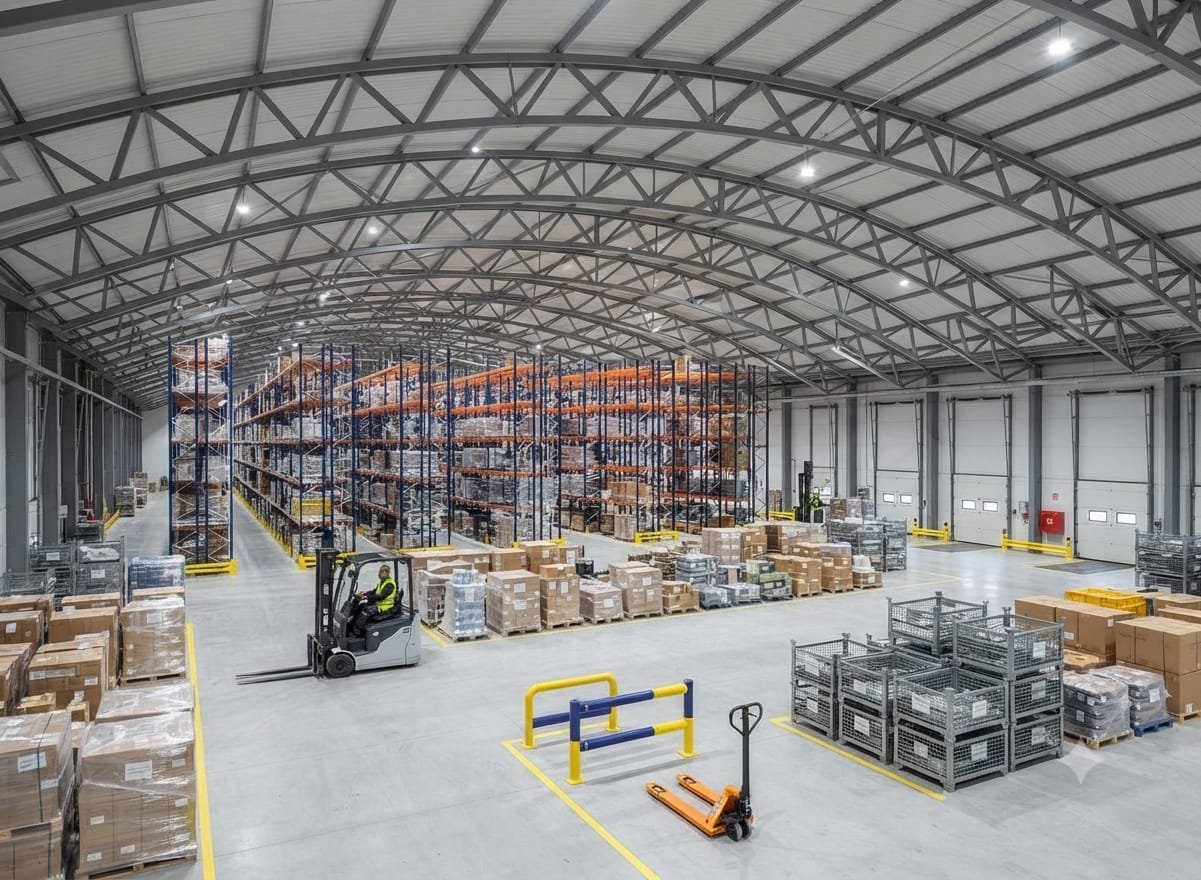
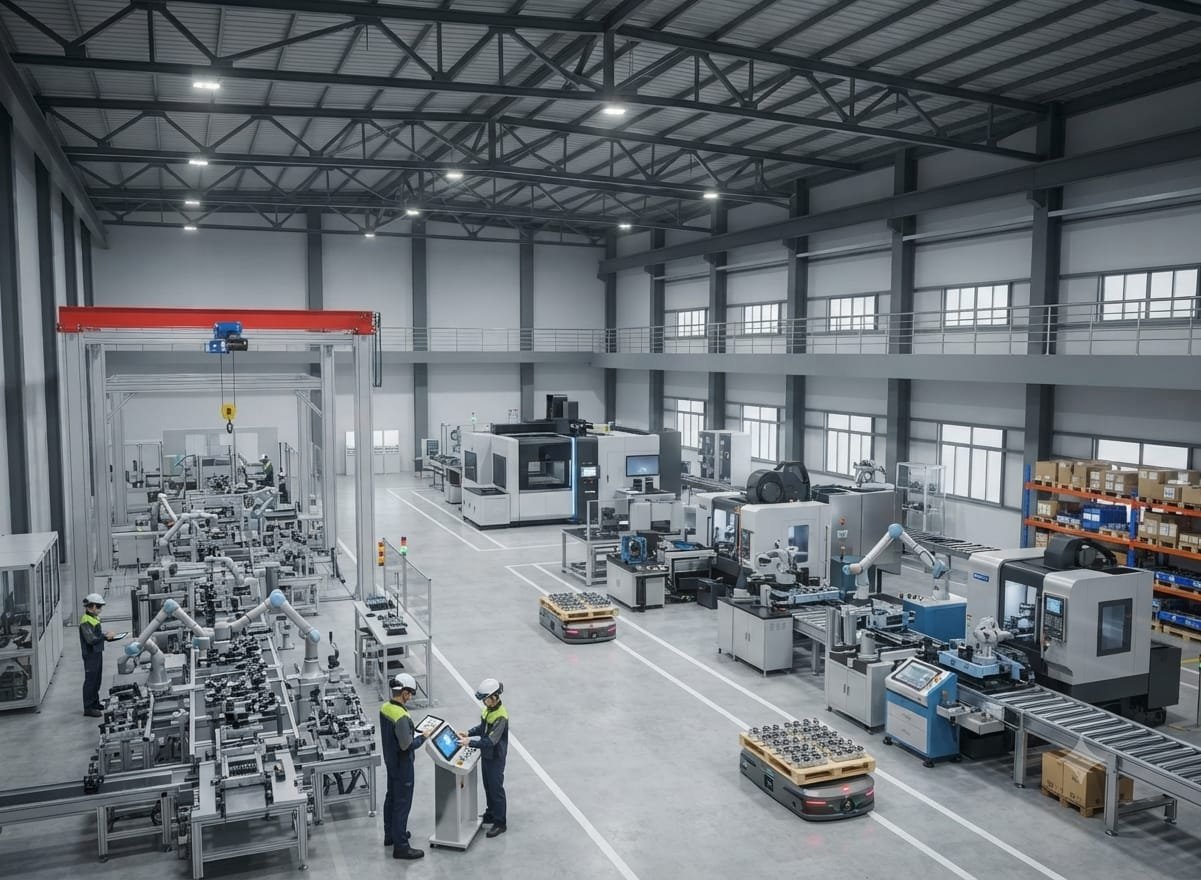
Industrial Warehouse

metal-truss 1

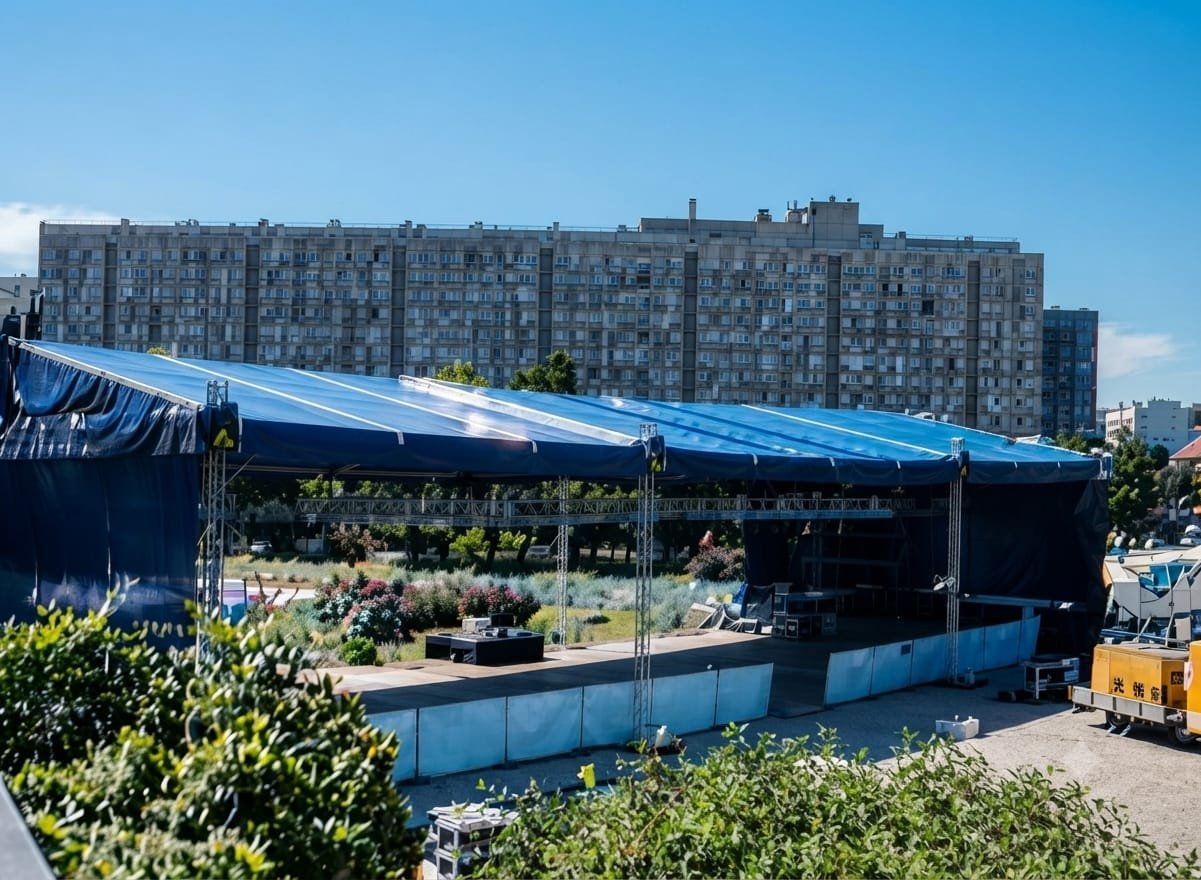
Theater Stage

metal-truss 2

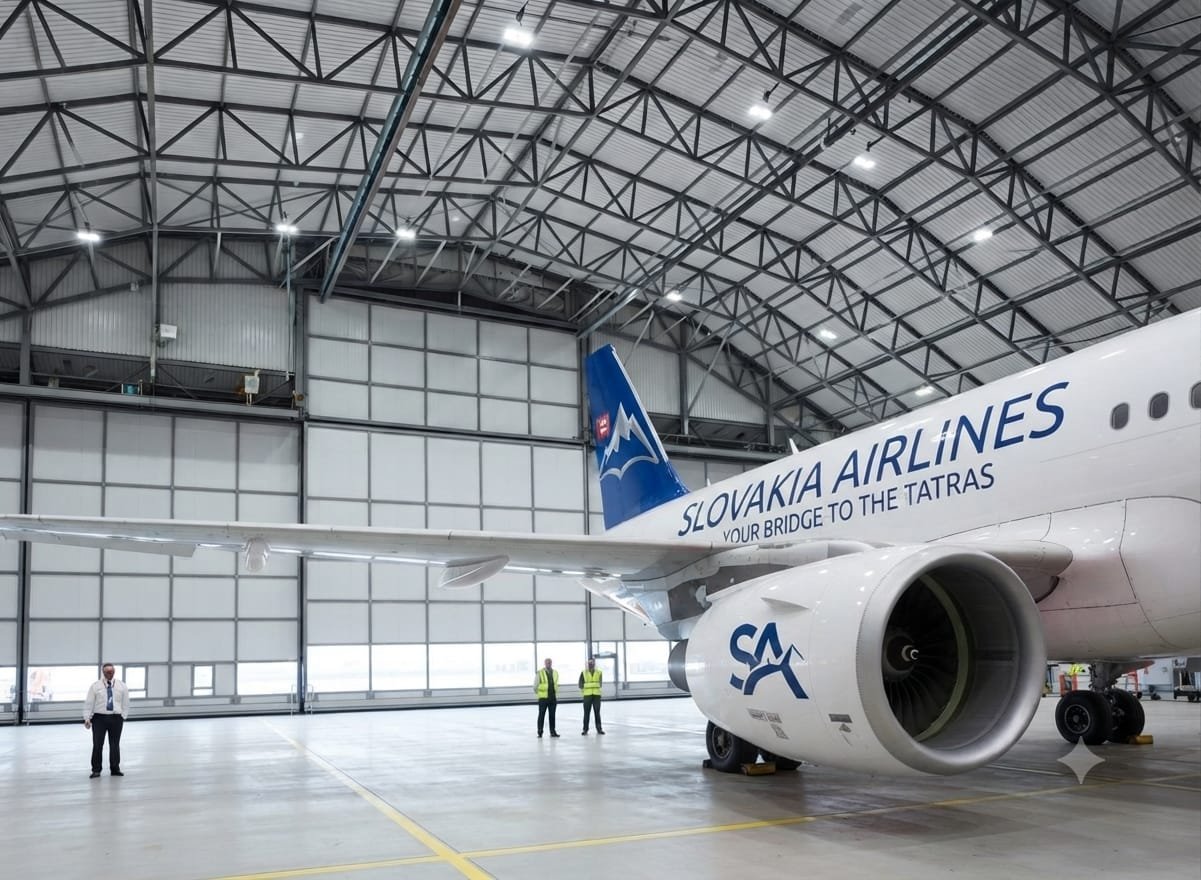
Aircraft Hangar

metal-truss 3

Sports Stadium

metal-truss 4

Auditoriums

metal-truss 6

Temporary Shelter

metal-truss 7

Bridge Crane

metal-truss 8

Roof Structure

Shelter Structures' VS Regular Metal Truss

Shelter Structures Others
Main Material 6061-T6 Aluminum Alloy Frame / Q235B Steel Frame, PVC Fabric Steel Frame, PVC Fabric
Customization Options High Medium to High
Wind Resistance Up to 120km/h Up to 100km/h
Snow Load Capacity Medium to High Medium
Cost Competitive Premium
Lifespan 15-20 Years (Frame), 5 Years (PVC) 8-10 Years (Frame), 3 Years (PVC)

Discover the Charm of Our Metal Truss

Join Our Happy Customers

We bought this metal truss system to support the roof of our sports court. The truss offers great and strong support for the roof. It is made from a galvanized steel frame and prefabricated in the factory. Thus, as long as we receive the components, we spend 1 week to install the system. It is very convenient and saves us lots of time.

Customers from France

FAQs of Metal Truss

What Are Metal Trusses Made Of?

Metal trusses are engineered to withstand harsh weather conditions, including heavy winds and substantial snow loads, ensuring both structural stability and safety. Their robust design and high tensile strength make them ideal for regions prone to extreme weather events.

Yes, metal trusses are increasingly used in residential construction for roofs and open spaces, offering a modern aesthetic and significant structural benefits. They provide excellent strength ratios, allowing for larger, open floor plans without the need for numerous load-bearing walls. This design flexibility not only enhances the functionality of living spaces but also contributes to the overall architectural appeal.

While the initial investment in metal trusses may be higher than that of traditional wood trusses, they often prove to be more cost-effective in the long run. This is largely due to their exceptional durability and resistance to common issues such as warping, rotting, and pest infestation, which can lead to costly repairs for wood structures. Furthermore, metal trusses typically require less maintenance over time.

Metal trusses are engineered to withstand harsh weather conditions, including heavy winds and substantial snow loads, ensuring both structural stability and safety. Their robust design and high tensile strength make them ideal for regions prone to extreme weather events.